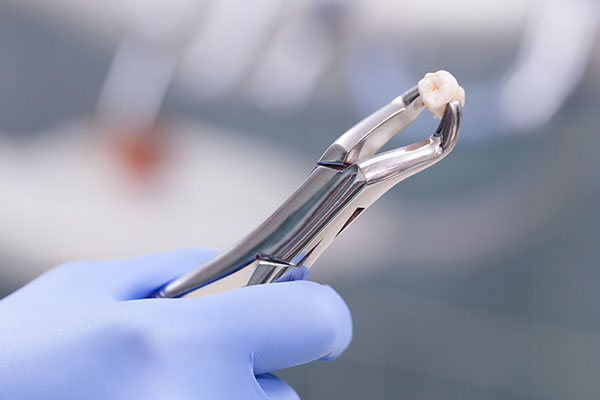
It may be time to remove your , but your dentist can confirm. If the dental professional believes this is the right decision, you want to go into the procedure feeling comfortable. Removing these third molars can be an invasive process that requires several days’ recovery. Make sure you learn everything you can about this process first. You will then be prepared for the surgery and after-care.
Why wisdom teeth removal is so common
The third set of molars come in the back of the mouth around the time a person hits age 20. Often, there is not enough room for the teeth to erupt without causing problems. They may come in at odd angles or cause pain in the jaw or gums. Tooth decay and infections are common when these teeth emerge. This happens because it is difficult to reach the teeth and brush and floss effectively.
Before the surgery
The wisdom teeth extraction procedure begins with a visit to the dentist’s office. The dentist will examine the patient and take X-rays. This will show whether the teeth will come in without any problems or whether removal is necessary. The dentist will then explain the process in more detail.
During the surgery
The patient should arrive at the dentist’s office wearing comfortable clothing and no jewelry. The patient should have someone else drive them home. The dentist will use a local anesthetic to numb the mouth or use general anesthetic to put the patient to sleep. The dentist then makes an incision in the gums. After removing bone, the dentist breaks the teeth up into pieces and then removes them. Lastly, the dentist cleans out the area and sews up the wound.
After the surgery
The procedure usually takes around an hour, though it may be less if the patient has fewer than four wisdom teeth. The patient will then rest in the recovery room for about 30 minutes. The dentist will place gauze pads in the mouth to control any bleeding. The dentist may also send the person home with a prescription for pain medication.
Recovery
Recovering from wisdom teeth removal surgery can take several days or weeks, depending on how extensive the procedure was. For the first few days, the patient should rest and avoid physical exertion. The patient should avoid eating anything but soft foods for five days to a week. Drinking from a straw is also not allowed during this period. Keeping an ice pack on the surgery site will ease the pain and reduce swelling.
Check out what others are saying about our dental services on Yelp:
Be ready for this surgery
If you are concerned about having wisdom teeth, talk to your dentist. You will know whether it is right to have surgery to extract them. The procedure can cause some pain and discomfort, but the results will help you enjoy good oral health. If you are nervous about the process, review these steps so you can be ready going into the surgery.
or call Diamond Head Dental Care at 808-450-2101 for an appointment in our Honolulu office.
Recent Posts
If your wisdom teeth are impacted, it may be time to think about visiting a dentist. Extracting these teeth can help you avoid serious oral health problems and cosmetic concerns. Not everyone requires the removal of these molars, but your dentist can determine whether this makes sense for you. Extracting these teeth can keep more…
If you are thinking about wisdom teeth extraction, now might be the right time for this procedure. These third molars can create problems in the mouth, both cosmetically and for your health. It is often more sensible to take out the teeth before they ever emerge. Doing so can help you avoid many of the…
Unlike other teeth, wisdom teeth do not show up until you are around age 20. Some people get them as early as age 17, while other people may not see them erupt until age 25. In either case, these third molars can cause troubling issues cosmetically and for your oral health. Your dentist will examine…