Orthodontic Treatments from Your Dentist
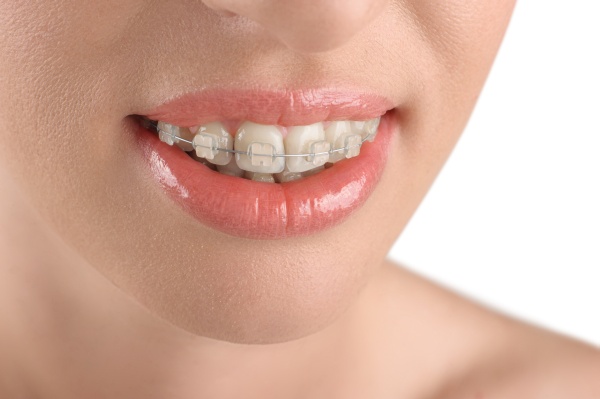
If you have crooked teeth or a bad bite, your dentist will recommend orthodontic treatment to fix the problem. These treatments often require the use of braces and retainers to ensure your teeth are straight and the jaw aligns properly.
Orthodontic treatments from your dentist
When you go for your dental exam, your dentist will determine if you need orthodontic care. The dentist will use diagnostic tools such as a clinical examination, models of your teeth and X-rays to identify issues with your teeth. For minor cases, they may find something that can be corrected with cosmetic treatments like bonding and veneers. For larger issues, the dentist will recommend a treatment plan to ensure your teeth are straight.
What dental conditions require orthodontic treatment to fix?
Your dentist will recommend orthodontic treatment if you have any of the following.
Overbite: This is when your upper teeth stick out and lie over your lower teeth. The condition is also commonly referred to as buck teeth.
Underbite: An underbite forms when your lower teeth stick out and lie over your upper teeth. Childhood habits, genetics and injuries can cause this condition.
Crossbite: This is when your upper teeth lie on the inside or outside of your lower teeth. Unlike the overbite and underbite, people who have crossbite have difficulty chewing food and can lose some of their teeth because of the condition.
Spacing: Also called diastemas, these are gaps between your teeth. If you lose a tooth, the other teeth can shift and cause irregular spacing. Other times, your teeth do not fill up your mouth.
Crowding: As the name suggests, crowding happens when there is not enough room for the teeth in your mouth. The condition can lead to tooth decay and the loss of your teeth because the crowding makes it difficult to properly brush your teeth.
What are the treatment options used to fix your teeth?
Orthodontic treatment options involve the use of fixed and removable orthodontic devices. Some treatments can be quick fixes while others will last for years. Below are some common orthodontic treatments.
Braces
These are the most commonly used orthodontic devices. They consist of wires, brackets and bands. The bands are used as anchors for the braces while the brackets attach to the front or back surface of your teeth. The wires pass through them brackets and connect to the bands. The braces are tightened so they can gradually move your teeth to their proper position.
Space maintainers
Losing a baby tooth too early can affect how adult teeth grow into place. A space maintainer prevents the other baby teeth from shifting into the gap left by the lost tooth. The maintainer will stay in the mouth until the adult tooth emerges.
Aligners
These are clear, removable devices that are an alternative to traditional braces. They are best for adults and teenagers who want to straighten their teeth without anyone noticing. Aligners cannot treat certain issues like intrusions or large gaps between teeth.
Removable retainers
You will need to wear a retainer after the dentist removes your braces. This device will prevent your teeth from shifting back to their previous position.
Want more information?
Orthodontic treatment is not only about having a perfect smile. It helps people chew their food and speak properly. If you are concerned about your teeth, call our office to schedule an appointment. We can determine what treatment you might need to improve your smile.
Request an appointment here: https://www.diamondheaddentalcare.com or call Diamond Head Dental Care at (808) 450-2101 for an appointment in our Honolulu office.
Check out what others are saying about our services on Yelp: Read our Yelp reviews.
Recent Posts
Missing teeth can severely affect an individual's self-esteem. Fortunately, an implant dentist can help restore a patient's smile with the use of dental implants. As one of the most successful treatments for missing teeth, a dental implant can offer numerous advantages over other tooth replacement options. Dental implants can fill the gaps in a person's…
If you are considering dental implants to replace missing teeth, you might want to talk with an implant dentist first about what getting implants entails, including aftercare for your implants. The dentist will be able to share with you how the procedure will work, what recovery looks like, and what you should be doing to…
If you have lost one or more of your teeth, talking to an implant dentist might provide the tooth replacement solution you are looking for. Dental implants are one of the most popular ways to replace missing teeth. Whether you are missing one tooth or all of your teeth, chances are there is an implant…
Proper care of dentures ensures a comfortable fit, long-lasting function, and a confident smile. For patients relying on dentures, maintaining oral health extends beyond daily wear—it requires consistent cleaning, timely adjustments, and routine dental evaluations. Understanding the complete denture care plan helps preserve both the appliance and the health of the surrounding tissues.Patients must clean…