Due to the coronavirus disease (COVID-19), the American Dental Association has released guidelines for dental practitioners across the country. As of March 16, 2020, it is recommended that dentists delay all nonessential treatment and perform emergency procedures only. This is to help reduce the risk of patients coming in contact with the virus in a dental clinic. It is also to protect the dental staff as well.
Transmission prevention in the dental office
The ADA and Centers for Disease Control and Prevention have recommended certain precautions to protect dental patients and dental workers across the nation. This includes limiting the types of procedures performed during this time.
Limitations on allowed procedures
Dentists are currently treating emergency conditions related to the mouth in order to keep these patients out of the emergency room. A dental emergency includes a relentless toothache, facial swelling or severely broken teeth. Nonessential procedures are those that can be postponed to a later date, such as dental cleanings, fillings and cosmetic procedures.
Patients who have routine treatment scheduled should be contacted by their dental office and rescheduled for a later date. It is important that offices get the word out about this regulation so that patients do not show up unaware. Any steps that can be taken to reduce the exposure of patients to the virus are needed.
Precautions for patients with respiratory illness
If a patient with a dental emergency presents to a clinic with signs of respiratory illness, the dental staff should give the patient a surgical mask and place them in a room alone. The reason for the visit should be discussed, and if it is found that it is a minor or nonessential procedure, the patient should be dismissed until a later date.
Standards for dentists and their dental teams
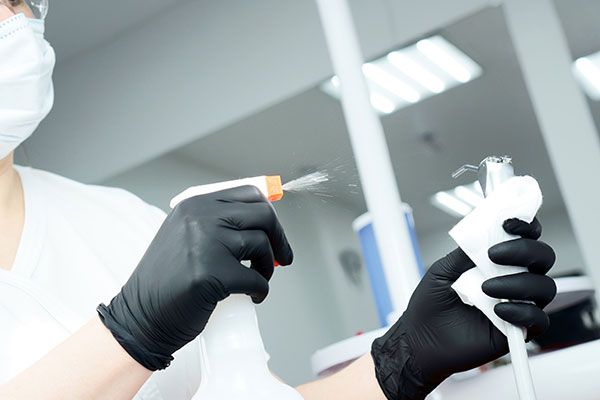
Dentists, hygienists and assistants who must work in the midst of the coronavirus disease (COVID-19) outbreak should follow standard precautions. These personnel must wear masks, gloves, gowns and safety eyewear while treating patients. All surfaces must be thoroughly disinfected after patient treatment, and standard procedures for instrument sterilization and disinfection should be followed.
If anyone on the dental team is showing signs of respiratory illness or fever, that employee should remain at home. A strict policy about this should be enforced during this time to prevent emergency patients from exposure to the coronavirus disease (COVID-19) at their dental office. Any steps that can be taken to reduce the risk of transmission of this disease must be followed.
Conclusion
While the coronavirus pandemic has caused a major disruption in most areas of life, the healthcare industry has been hit particularly hard. In these uncertain times, it is essential that dentists and patients take every precaution possible. It will take a concerted effort on everyone's part to flatten the curve of this widespread disease. Panic is not necessary, but following necessary protocol is important during this pandemic.