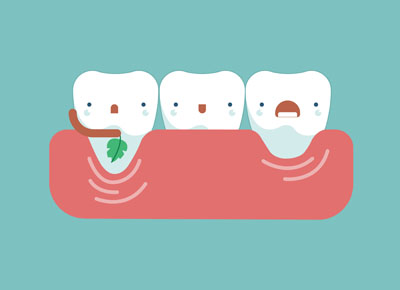
Gum recession is a condition during which your upper or lower gums begin to “recede” or pull back from your teeth. When this happens, it often results in teeth having an elongated appearance and sensitivities to hot and cold foods and drinks. It can also often lead to a greater number of cavities and even gum disease, if not already present. While in some cases, gum recession is hereditary due to thin gingival tissue, for most people, receding gums can be avoided by limiting risk factors.
Smoking and Nicotine Use
Smoking and nicotine use are major risk factors for gum recession, and they are rated number one as the most preventable. Fortunately, this risk factor can be completely avoided, resulting in a healthier atmosphere for teeth and gums. Smoking can not only lead to gum recession, but it can also cause periodontal disease, a serious form of gum disease. These bad habits irritate and inflame your gums by reducing the oxygen in your gum tissue. Persistent smoking and nicotine use can eventually even cause bone loss. If you have the ability to reduce your risk by limiting nicotine use or quitting altogether, you can also avoid being one of the 40 percent of smokers who loses all their teeth by the end of their lives.
Periodontal Disease
While periodontal disease is a detrimental condition in itself, it is also a risk factor for gum recession. People who have a periodontal disease for an extended period without having it properly treated often suffer from debilitating consequences like loose teeth, chronically sore and inflamed gums, and receding gums. Over three-fourths of American adults possess some form of gum disease, but very few people realize they have it until it causes significant damage to their gums and teeth. While 30 percent of people are genetically predisposed to having periodontal disease, with proper oral hygiene and regular visits to the dentist, you can reduce your risk of developing gum disease and by association, gum recession.
Poor Oral Hygiene Habits
Brushing your teeth too aggressively, not brushing and flossing adequately, and failing to visit the dentist regularly can all cause receding gums. Even if you are genetically predisposed to develop gum recession with age, it is important to seek out regular dental care, since a dentist can watch for a recession and help you care for your teeth in a way that may slow the process. If you already have receding gums, a dentist can go over treatment options with you to prevent it from becoming worse with time and to fix the damage that has already occurred.
Malpositioned Teeth and Mouth Trauma
If you have malpositioned teeth, orthodontics may help reposition your teeth so your risk of developing gingival irritation and recession from excessive pressure and friction in certain areas is reduced. Mouth trauma is a common risk factor for receding gingival tissues, but this can be avoided by wearing a mouth guard during sports or seeking dental attention immediately following mouth injuries.
Gum Recession Honolulu
The best thing you can do to reduce your risk of gum recession is to visit a dentist at least twice a year. We can coach you on ways to reduce your chances of suffering the cosmetic and dental health consequences of developing receding gums.
Live in Honolulu, HI and have questions about gum recession? Give us a call at (808) 450-2101.
Gum recession is a condition during which your upper or lower gums begin to “recede” or pull back from your teeth. When this happens, it often results in teeth having an elongated appearance and sensitivities to hot and cold foods and drinks. It can also often lead to a greater number of cavities and even…
Missing teeth can severely affect an individual's self-esteem. Fortunately, an implant dentist can help restore a patient's smile with the use of dental implants. As one of the most successful treatments for missing teeth, a dental implant can offer numerous advantages over other tooth replacement options. Dental implants can fill the gaps in a person's…
If you are considering dental implants to replace missing teeth, you might want to talk with an implant dentist first about what getting implants entails, including aftercare for your implants. The dentist will be able to share with you how the procedure will work, what recovery looks like, and what you should be doing to…
If you have lost one or more of your teeth, talking to an implant dentist might provide the tooth replacement solution you are looking for. Dental implants are one of the most popular ways to replace missing teeth. Whether you are missing one tooth or all of your teeth, chances are there is an implant…
Missing teeth can severely affect an individual's self-esteem. Fortunately, an implant dentist can help restore a patient's smile with the use of dental implants. As one of the most successful treatments for missing teeth, a dental implant can offer numerous advantages over other tooth replacement options. Dental implants can fill the gaps in a person's…
If you are considering dental implants to replace missing teeth, you might want to talk with an implant dentist first about what getting implants entails, including aftercare for your implants. The dentist will be able to share with you how the procedure will work, what recovery looks like, and what you should be doing to…