3 Oral Hygiene Tips From an Emergency Dentist

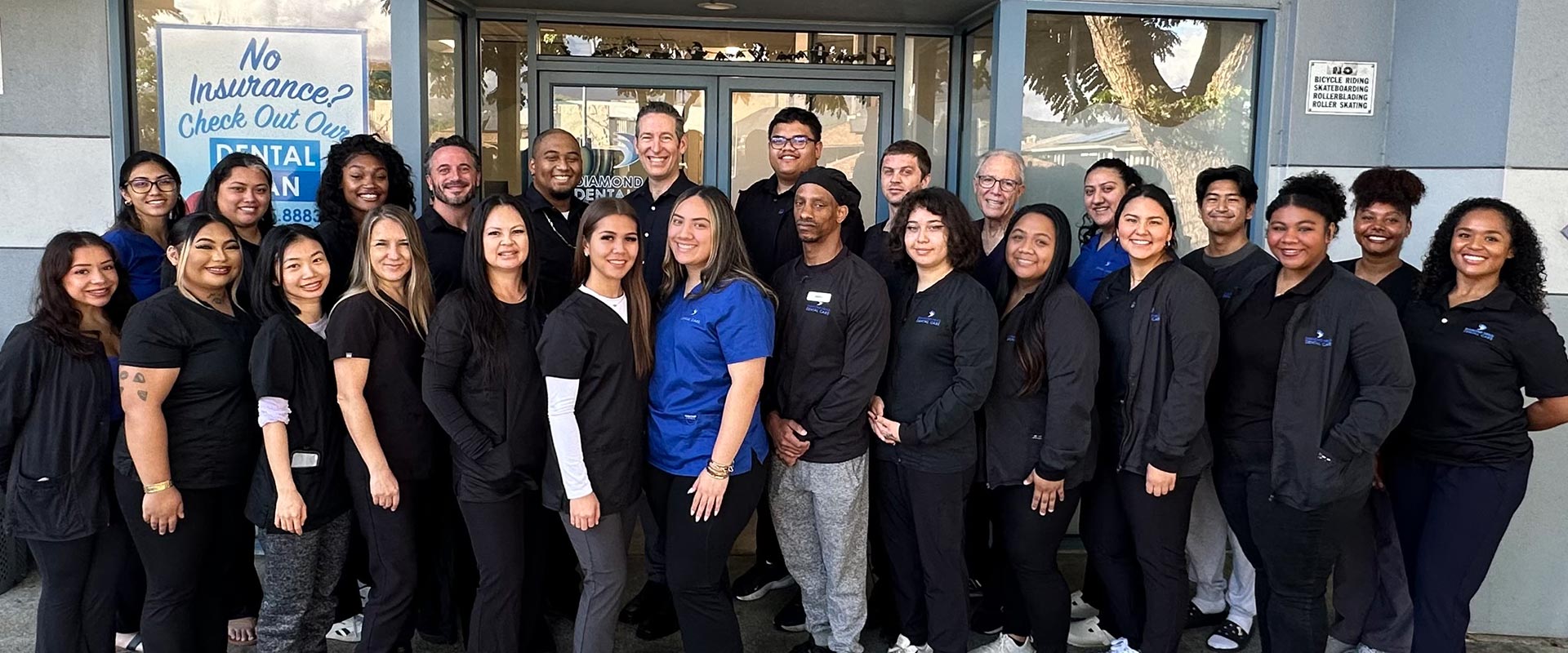
3 Oral Hygiene Tips From an Emergency Dentist from Diamond Head Dental Care in Honolulu, HIAn emergency dentist frequently observes patients arriving with serious dental pain or infections that develop when consistent oral care and timely checkups are overlooked. Following a few simple yet effective preventative strategies makes many urgent dental problems less likely to occur. Here are three oral hygiene tips that help protect teeth and gums, reducing the risk of sudden complications and the need for emergency treatment.

What is an emergency dentist?

An emergency dentist specializes in handling urgent dental problems that require immediate attention, such as severe toothaches, broken teeth, or infections. These dentists frequently address complex cases where rapid intervention is essential for preserving oral health and preventing further damage. Since they work with acute conditions regularly, they have insight into the most common causes of dental emergencies and how to prevent them. One of the most effective prevention methods is to ensure patients have an iron-clad oral hygiene routine.

3 Tips to maintain an iron-clad oral hygiene routine

Tip 1: Brush thoroughly and properly

Proper brushing is an essential step in safeguarding oral health. A soft-bristled toothbrush with fluoride toothpaste helps remove plaque while protecting tooth enamel. Aiming to brush for at least two minutes twice daily provides thorough cleaning. Holding the toothbrush at a 45-degree angle along the gum line helps dodge debris and bacteria, limiting the buildup that causes gum irritation. Replacing the toothbrush every three to four months, or sooner if the bristles become frayed, preserves brushing effectiveness. Consistent and careful brushing helps prevent cavities, freshens breath, and reduces the possibility of sudden dental issues requiring an emergency dentist.

Tip 2: Floss and rinse to remove hidden particles

Even the most diligent brushing routine does not always reach the tight spaces between teeth. Food particles and bacteria often remain in these hidden areas, leading to decay and gum inflammation. Flossing at least once daily effectively removes this debris and supports healthier gum tissue. Whether using traditional floss or floss picks, employing a gentle motion along the sides of each tooth is key. Following with an antimicrobial or fluoride mouth rinse further lowers bacterial presence and strengthens the enamel. These habits reduce the likelihood of gum infections and tooth decay, which could prompt a visit to an emergency dentist.

Tip 3: Maintain regular checkups and cleanings

Professional dental care plays a major role in preventing oral health problems. Routine checkups allow a dental team to identify early signs of decay, gum disease, or other concerns that daily brushing and flossing alone may not address. Regular cleanings also remove tartar buildup, polish teeth, and provide an opportunity to discuss personalized preventative strategies. Many patients benefit from a six-month visit schedule, while some require more frequent appointments based on individual risk factors. Ongoing collaboration with a general or emergency dentist fosters better long-term oral health and minimizes the risk of severe complications.

Check out what others are saying about our dental services on Yelp: Emergency Dentist in Honolulu, HI

Call us for more tips and tricks

An emergency dentist often emphasizes the importance of preventative measures to avoid sudden and painful dental situations. Adopting these three tips can build a strong foundation for safeguarding your teeth and gums. In turn, this ensures emergency dental visits are less frequent. If you wish to learn more about personalizing your oral hygiene routine and achieving these benefits, contact Diamond Head Dental Care today.

Request an appointment or call Diamond Head Dental Care at 808-450-2101 for an appointment in our Honolulu office.

Recent Posts

5 Things To Do Before You Visit An Emergency Dentist

Seeing an emergency dentist as soon as possible is crucial when dealing with sudden dental pain, trauma, or an urgent oral health issue. Taking the right steps before the appointment can help minimize discomfort, prevent further damage, and ensure a smoother treatment process. Here are five important things to do before visiting an emergency dentist.Understanding…

Emergency Dentist Or Emergency Room: Which To Visit?

Knowing whether to visit an emergency dentist or an emergency room can make a significant difference in receiving the right care. Dental emergencies can be painful and distressing, but not all require a hospital visit. An emergency dentist is often the best option for immediate relief and specialized treatment. However, understanding where to go in…

5 Ways To Relieve Tooth Pain Before Seeing An Emergency Dentist

Tooth pain can feel overwhelming while waiting to see an emergency dentist. That is why it is crucial to have a plan for controlling pain until one can get to a dentist. Though home remedies are not a substitute for professional care, they can help ease the pain until treatment is available.Tooth pain can result…

Recent Posts

How An Implant Dentist Can Improve Your Smile

How An Implant Dentist Can Improve Your Smile

Missing teeth can severely affect an individual's self-esteem. Fortunately, an implant dentist can help restore a patient's smile with the use of dental implants. As one of the most successful treatments for missing teeth, a dental implant can offer numerous advantages over other tooth replacement options. Dental implants can fill the gaps in a person's…

What Your Dentist Wants You To Know About Dental Implant Aftercare

What Your Dentist Wants You To Know About Dental Implant Aftercare

If you are considering dental implants to replace missing teeth, you might want to talk with an implant dentist first about what getting implants entails, including aftercare for your implants. The dentist will be able to share with you how the procedure will work, what recovery looks like, and what you should be doing to…